A Tale of Two Store Managers: Why One Heatmap Beat One Headcount
Both stores had the same total: 3,200 visitors last week, up slightly from the month before. On paper, identical. In practice, the two managers were looking at two completely different pictures.
Manager A: The Number Without a Map
Priya ran a mid-size home goods store with a basic entry counter. Her dashboard showed one line trending gently upward. Sales, meanwhile, were flat. She assumed the problem was pricing, and ran a markdown on her slowest-moving category. Traffic held steady. Sales barely moved. She had no way to see that shoppers were walking straight past that category without stopping – the counter had no zone data, so the markdown was a guess dressed up as a decision.
Manager B: The Same Traffic, Mapped
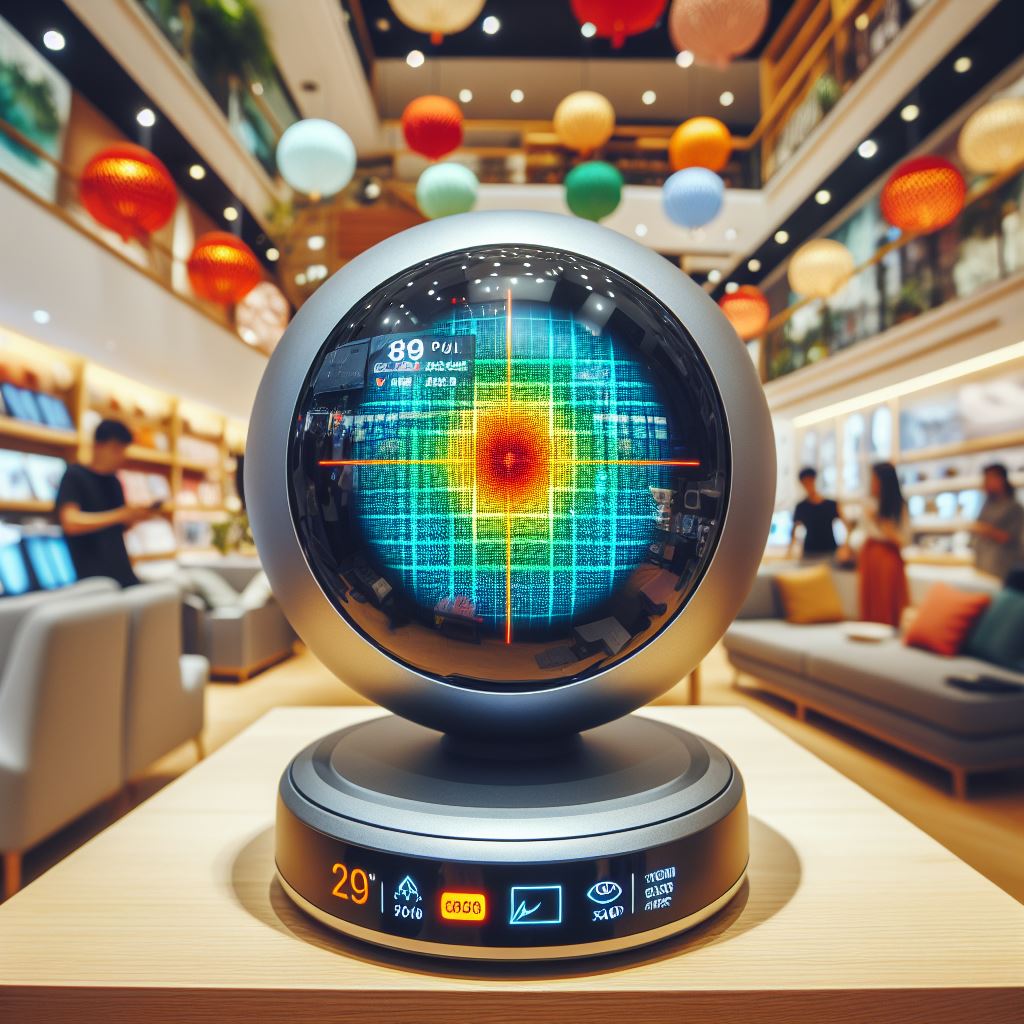
Across town, Daniel managed a similar-sized store with a heatmap layer added to his existing people-counting sensors. His dashboard showed the same rising visitor trend – but also a cold band running the length of his home décor aisle, and a hot cluster around a single endcap that was already outselling its floor space many times over. Instead of a markdown, he moved his slower category next to that endcap and added directional signage through the cold band. Within three weeks, dwell time in that aisle rose and the category’s sales followed.
Same Data Source, Different Decision Quality
Both stores were using people-counting sensors. The difference wasn’t the hardware category – it was whether the data included zone-level position, not just an entry/exit tally. That’s the practical gap between a footfall counter and a heatmap-capable system:
- Priya’s system answered “how many,” which supported one lever: pricing.
- Daniel’s system answered “where and how long,” which supported a more precise lever: layout.
Neither manager was wrong to trust their dashboard – they were working with what their sensor exposed. If you’re deciding which type of system to invest in, PeopleCountings’ 2026 sensor comparison flags which providers output zone/heatmap data versus simple counts, so you know upfront which decisions your data will actually support.
Frequently Asked Questions
Can an existing people counter be upgraded to produce heatmaps?
Sometimes – 3D and AI-video sensors often already capture positional data that a software or firmware upgrade can unlock. Simple infrared beam counters generally cannot, since they never capture position, only crossings.
How do I know if my current system supports zone data?
Ask your vendor whether the sensor reports x/y position or only entry/exit events. If it’s the latter, a heatmap requires new hardware, not just new software.
Continue Your Research: Related Guides
- From Heatmap to Profit – the framework Daniel used, explained.
- How Retail Heatmaps Work – the sensor technology explained.
- Reading a Retail Heatmap – interpreting hot and cold zones.
- PeopleCountings’ 2026 Power List – compare providers before you upgrade.